
Molecularly Imprinted Polymer-modified Electrodes for Electrochemical Sensing of Emerging Aqueous Pollutants
Published in Tallinn University of Technology (doctoral thesis), 2025
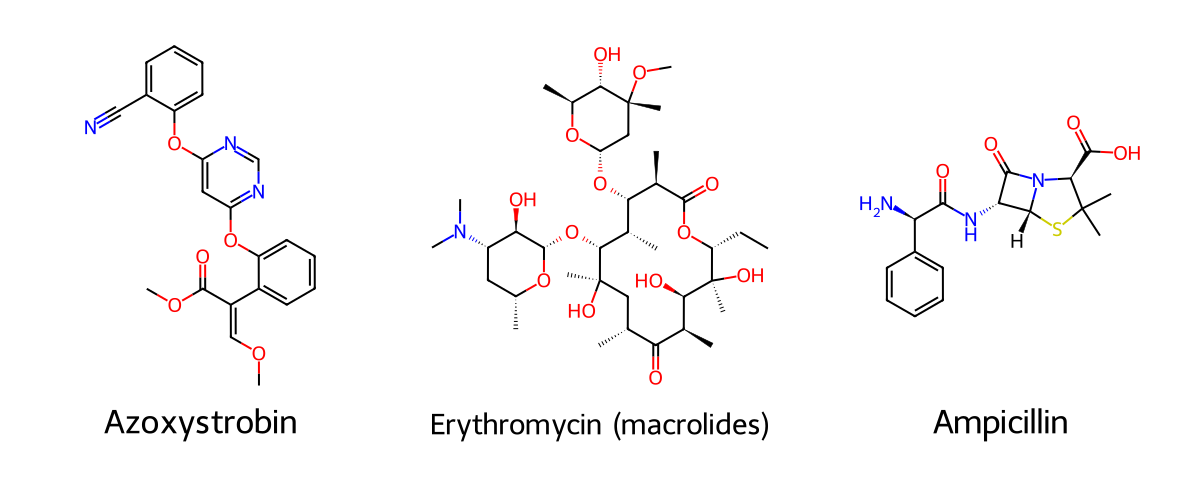
Brings the three sensor papers above together. The thesis develops imprinted-polymer electrochemical sensors for single pollutants (the fungicide azoxystrobin and the antibiotic ampicillin) and for a whole antibiotic class (the macrolides), uses quantum-chemical modelling to choose functional monomers, and shows that a ruthenium oxide electrode can act as its own redox probe, so no added probe solution is needed.
- Defended 12 September 2025, Tallinn University of Technology
- Supervisors: Dr. Vitali Syritski, Dr. Jekaterina Reut
- Opponents: Prof. Sergey A. Piletsky (University of Leicester), Prof. Toonika Rinken (University of Tartu)
- Full text: TalTech digital collection