
Sitemap
A list of all the posts and pages found on the site. For you robots out there, there is an XML version available for digesting as well.
Pages
Posts
publications
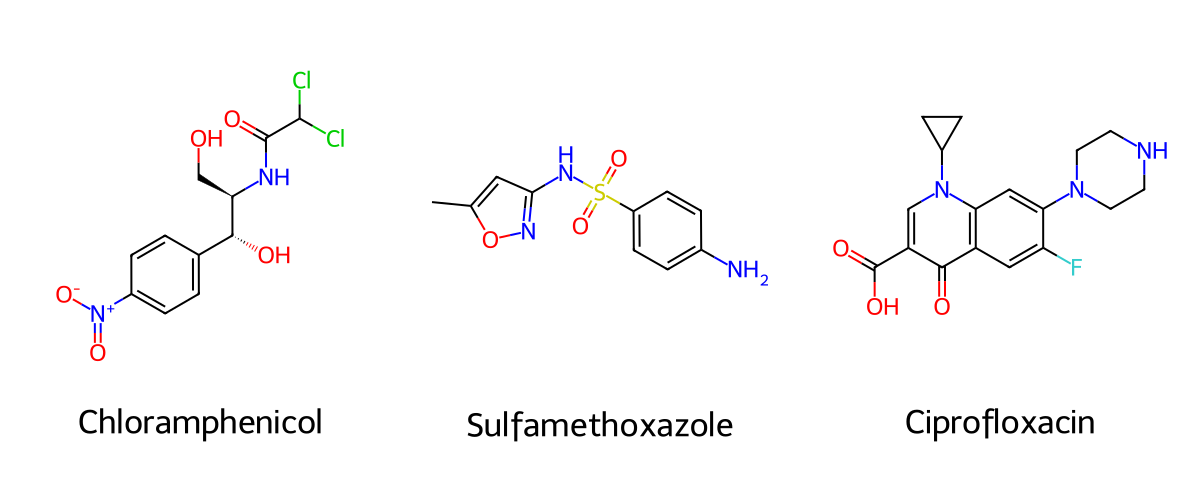
Advances in detection of antibiotic pollutants in aqueous media using molecular imprinting technique – a review Permalink
Published in Biosensors, 2022
A review of the past decade of label-free sensors that use molecularly imprinted polymers to detect antibiotics in water, across optical, piezoelectric and electrochemical platforms. It compares the best-performing sensors for environmentally important antibiotics, covers computational selection of functional monomers and ways to amplify the signal, and outlines what is needed to move from proof of concept to commercial devices.
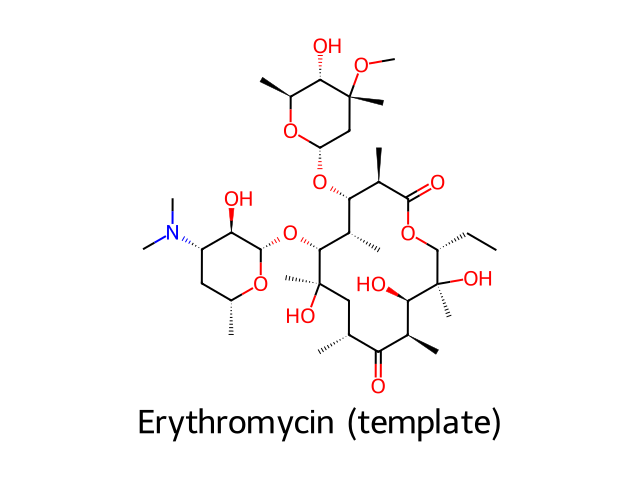
Molecularly imprinted co-polymer for class-selective electrochemical detection of macrolide antibiotics in aqueous media Permalink
Published in Sensors and Actuators B: Chemical, 2023
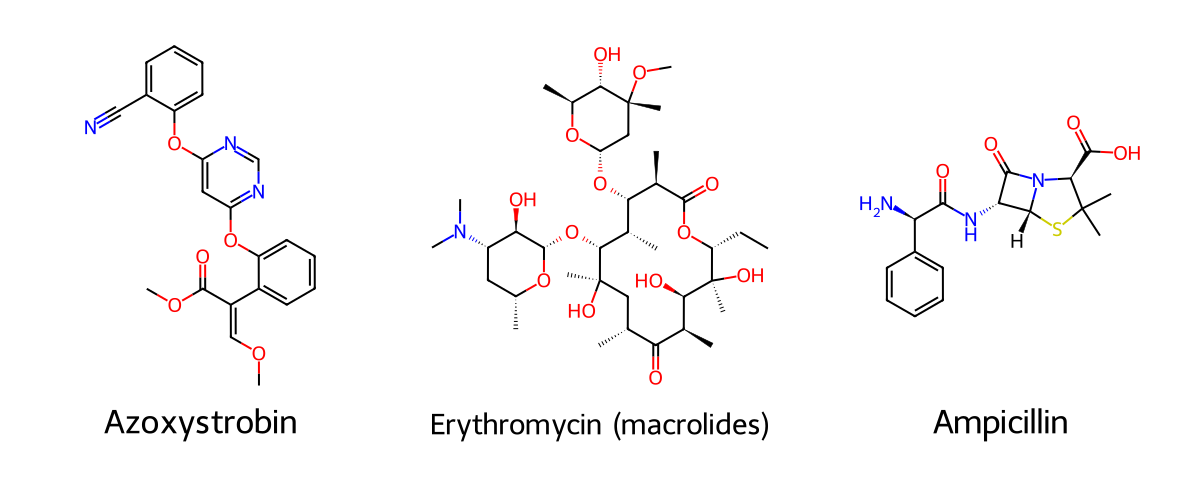
One sensor for a whole class of antibiotics, the macrolides. Imprinted with erythromycin, the polymer recognises the large lactone ring that all macrolides share, through reversible boronic acid–diol bonds and weaker non-covalent interactions. It responds about four times more strongly than a non-imprinted control to erythromycin, clarithromycin and azithromycin, with detection limits of 1.1–1.6 nM and 93–108 % recovery.
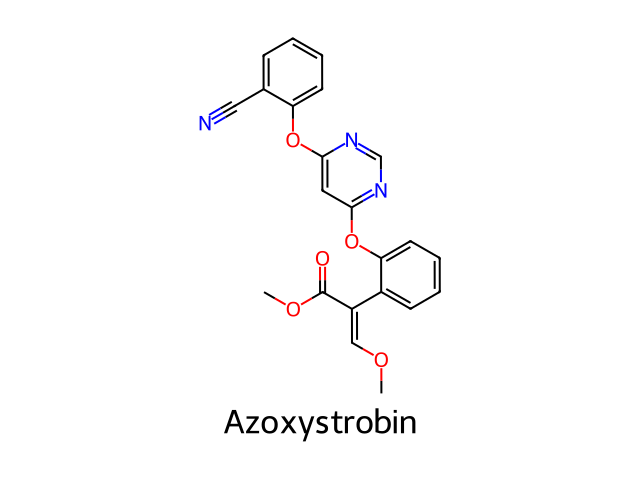
Molecularly imprinted polymer-based electrochemical sensor for the detection of azoxystrobin in aqueous media Permalink
Published in Polymers, 2024
A sensor for the fungicide azoxystrobin in water. The imprinted polymer was grown electrochemically on a thin-film metal electrode from two monomers, aniline and m-phenylenediamine, with azoxystrobin as the template. Detection limit 3.6 nM in tap water; selective for azoxystrobin, with 94–119 % recovery.
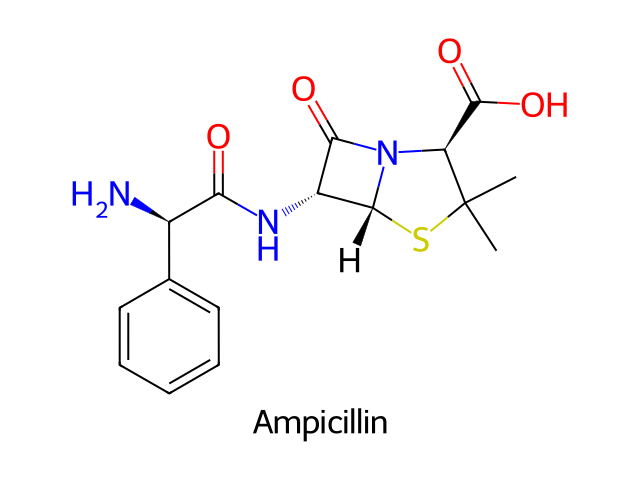
Direct electrochemical sensing of ampicillin in aqueous media by a ruthenium oxide electrode decorated with a molecularly imprinted polymer Permalink
Published in Talanta, 2025
A sensor that measures the antibiotic ampicillin directly in water. A molecularly imprinted polymer on a ruthenium oxide electrode recognises ampicillin, and the ruthenium oxide itself provides the redox signal, so no added probe solution is needed. Detection limit 6 nM; 98–114 % recovery in pond water.
Molecularly Imprinted Polymer-modified Electrodes for Electrochemical Sensing of Emerging Aqueous Pollutants Permalink
Published in Tallinn University of Technology (doctoral thesis), 2025
Brings the three sensor papers above together. The thesis develops imprinted-polymer electrochemical sensors for single pollutants (the fungicide azoxystrobin and the antibiotic ampicillin) and for a whole antibiotic class (the macrolides), uses quantum-chemical modelling to choose functional monomers, and shows that a ruthenium oxide electrode can act as its own redox probe, so no added probe solution is needed.